Zambia at a Glance
The Republic of Zambia is a peaceful, landlocked country in the heart of Southern Africa, bordered by eight neighbours and known for its political stability, natural beauty and warm, welcoming people.
Since independence in 1964, Zambia has brought together more than 70 ethnic groups under the national motto “One Zambia, One Nation”.
Key facts
Capital
Lusaka
Official language
English
Currency
Zambian Kwacha (ZMW)
Independence
24 October 1964
Area
752,614 km² — one of Africa's lowest population-to-land ratios
People
More than 70 ethnic groups living side by side
Location
Landlocked Southern Africa, bordering eight countries
Climate
Warm-wet (Nov–Apr), cool-dry (May–Aug), hot-dry (Sep–Oct)
Economy
Agriculture, mining, energy, tourism and manufacturing
Government
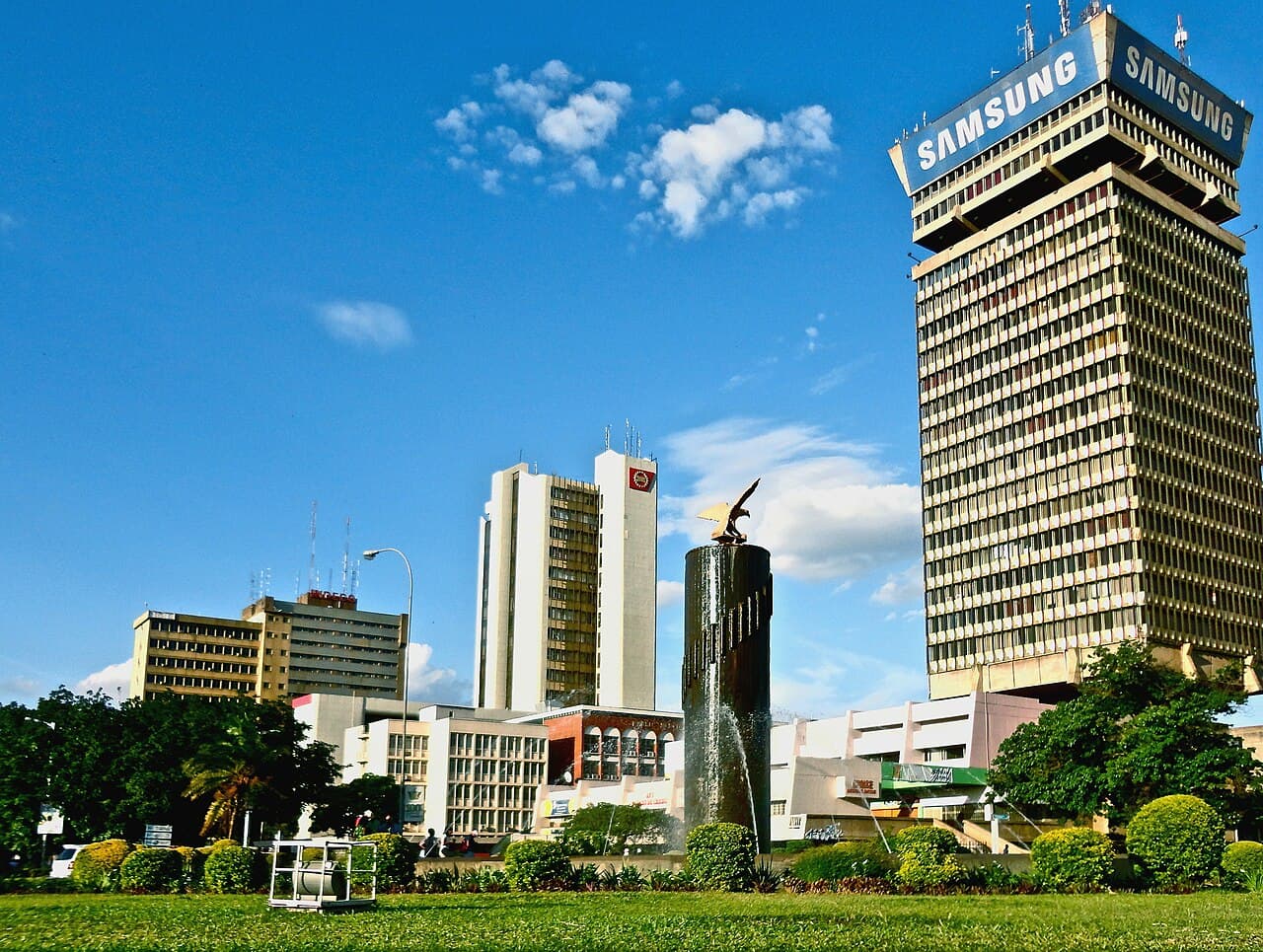
Zambia is a unitary republic with three autonomous branches of government — the Executive, the Legislature and the Judiciary.
The President serves as both Head of State and Head of Government, assisted by the Vice-President. Zambia is a multi-party democracy that holds regular elections.
Head of State
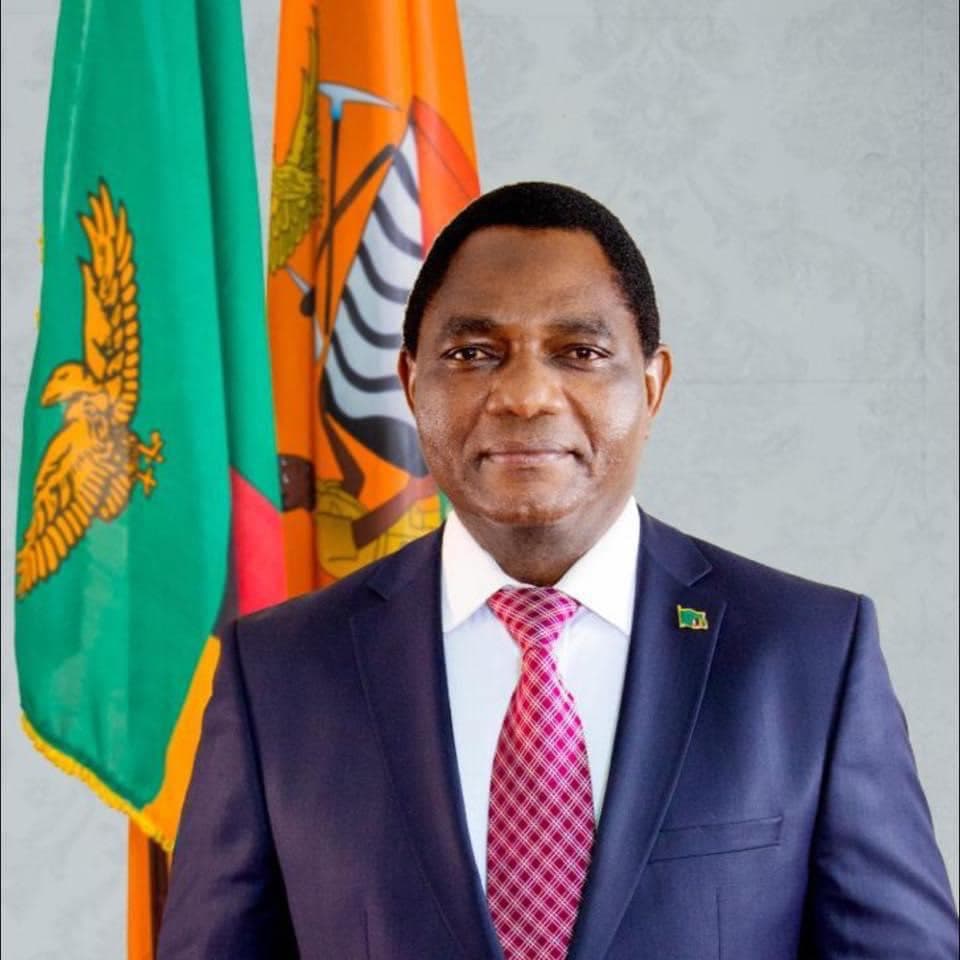
H.E. Hakainde Hichilema, widely known as “HH”, is the seventh President of the Republic of Zambia. He was inaugurated on 24 August 2021 after winning the presidential election as leader of the United Party for National Development (UPND).
Born on 4 June 1962 in Monze, Southern Province, the President rose from humble beginnings — herding cattle as a boy — to study economics and build a career as a businessman and accountant before entering public life.
As Head of State and Government, President Hichilema has placed economic recovery, the rule of law, agriculture and good governance at the centre of his administration's agenda for a peaceful and prosperous Zambia.
The national flag
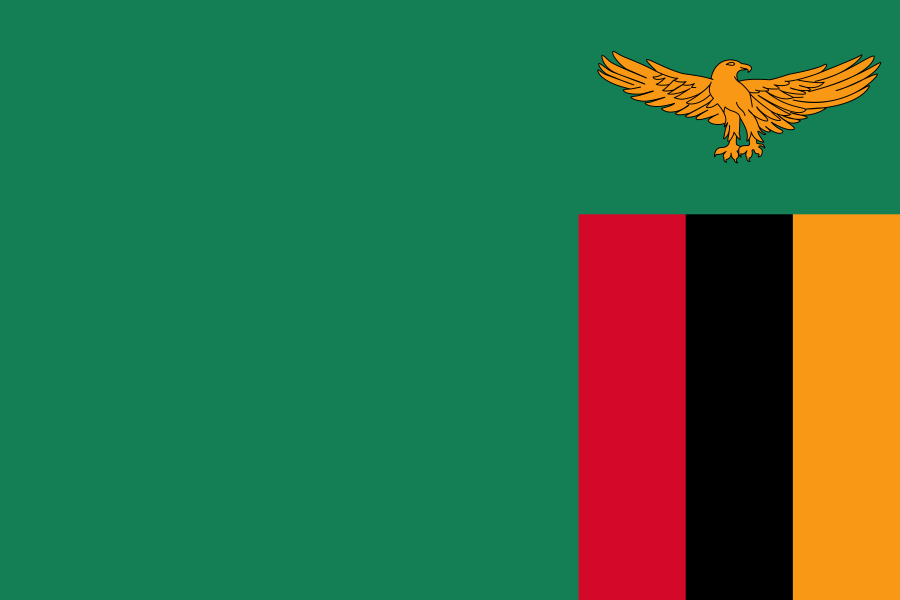
Zambia's flag was first hoisted at independence on 24 October 1964. Each colour and emblem carries an official meaning.
Green
The country's natural resources and vegetation.
Red
The struggle for freedom.
Black
The people of Zambia.
Orange
The country's mineral wealth.
The eagle
An African fish eagle in flight — freedom, and the people's ability to rise above the nation's challenges.
“One Zambia, One Nation”
The national motto of unity, carried on the coat of arms.
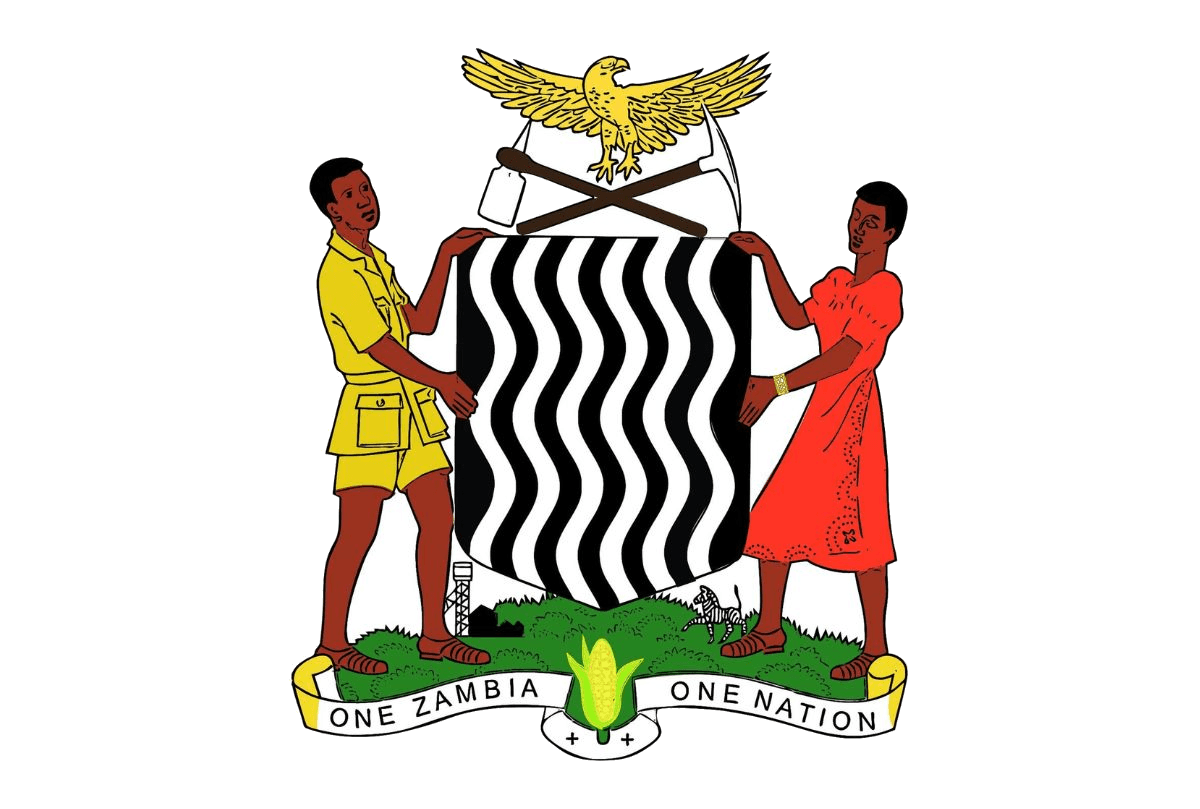
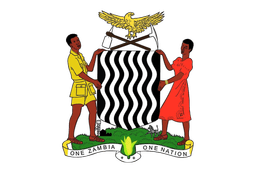
The National Coat of Arms
Zambia serves under the Arms of the Republic. Adopted at independence in 1964, every element tells part of the nation's story.
The eagle
The African fish eagle in flight stands for freedom and the nation's hope for the future.
Pick & hoe
The crossed pick and hoe represent mining and agriculture — the backbone of Zambia's economy.
The shield
Black and white waves depict Victoria Falls and the Zambezi River, from which Zambia takes its name.
The supporters
A man and a woman represent the common people of the nation, who hold up the shield.
The maize cob
A tribute to Zambia's fertile land and thriving agriculture.
The mineshaft
The mine headframe reflects the country's rich mineral resources.
The zebra
The zebra symbolises Zambia's abundant wildlife and natural heritage.
“One Zambia, One Nation”
The motto on the scroll calls for unity among more than 70 ethnic groups.
Discover more about Zambia
Explore travel and tourism, or trade and investment opportunities.